👉 Let’s stay connected on social media!
How to Make Crispy Homemade Ciabatta Bread: A Step-by-Step Guide
QUICK REMINDER:
While we have provided a jump to recipe button, please note that if you scroll straight to the recipe card, you may miss helpful details about ingredients, step-by-step tips, answers to common questions and a lot more informations that can help your recipe turn out even better.
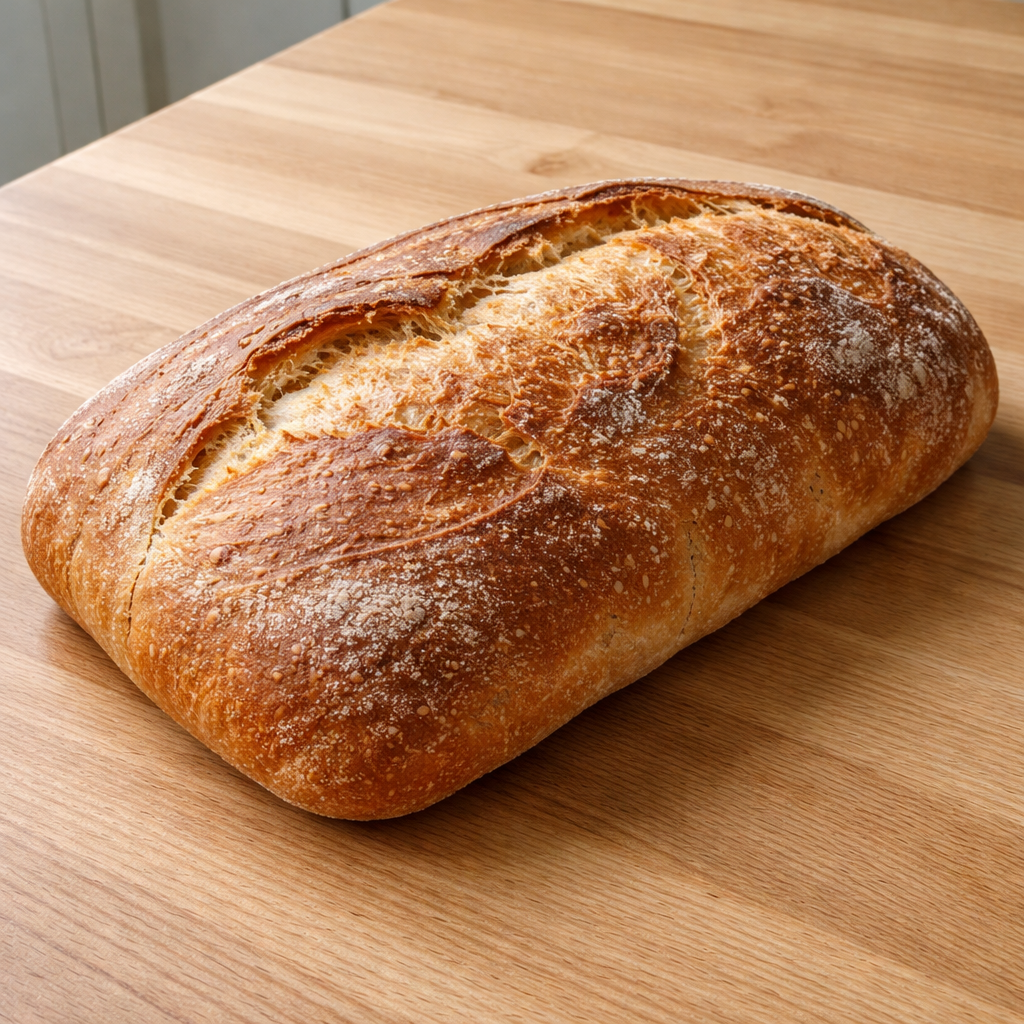
Everyone is out here pretending store-bought bread is “pretty good actually” and I’m just. No. It is not. Not when you’ve had a pan of aggressively crunchy, still-steaming ciabatta on your counter, cracking like a tiny bread fireplace while you stand there eating the heel with your fingers like some kind of carb goblin.
We live in an era where people put “artisan” on plastic-wrapped loaves that were baked three states away and shipped like sad pillows. And then there’s us, doing deeply unhinged things like planning dinner around when the dough needs its third rise. We’re the problem and the solution.
Anyway, hi, I’m courtney, the person who will happily make homemade bread on a Tuesday and then eat cereal for dinner on Wednesday because “cooking is a lot.” This is my chaotic love letter to homemade ciabatta bread, the best crunchy Italian delight that accidentally turned me into That Bread Person in my friend group. I did not apply for this position. It was assigned.
The time I made tough Ciabatta Bread
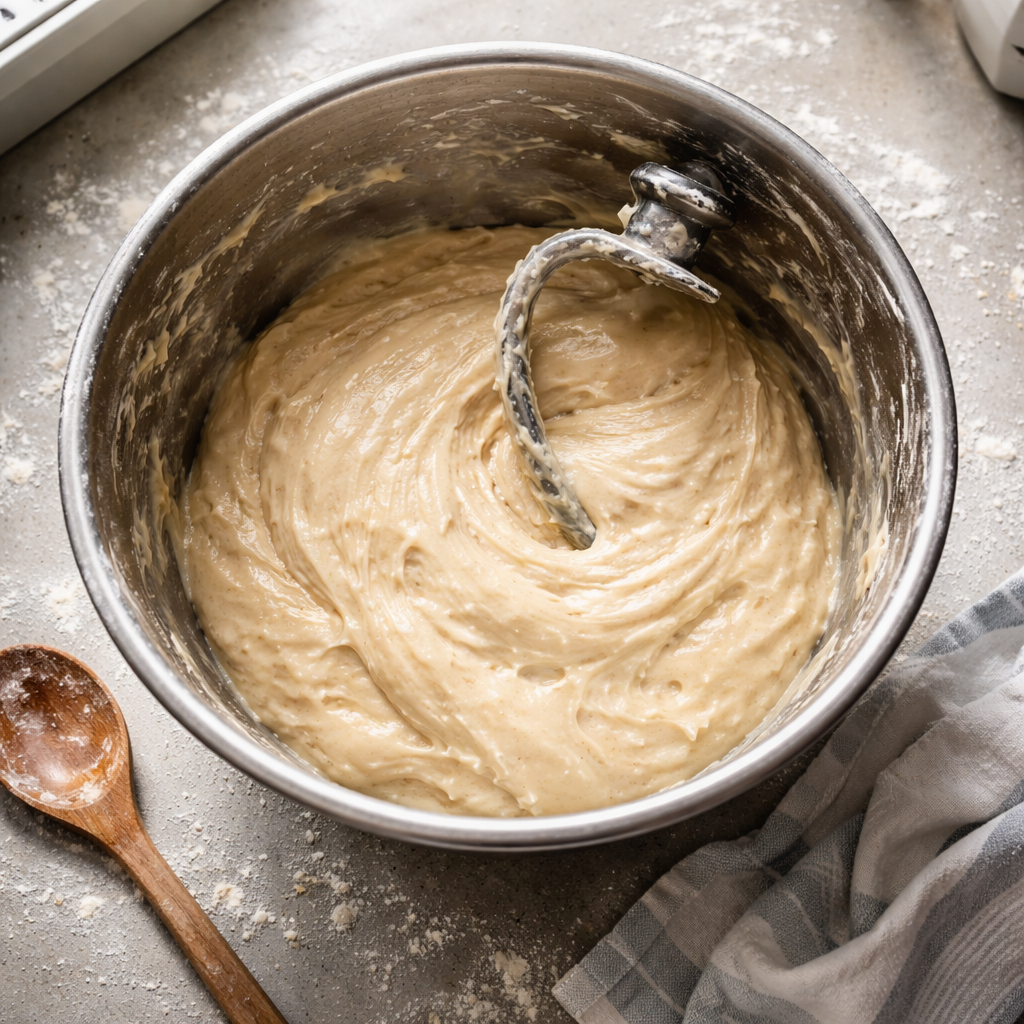
The first time I tried this recipe, the dough sounded wrong. And yes, I know how unhelpful that is, but it did. It slapped the bowl like a wet sneaker. It smelled vaguely like a damp basement and flour paste, which is… not the sensual bakery fantasy I had going in my head.
Everyone online was like, “Don’t add more flour, it should be VERY WET,” and I took that personally. I made what can only be described as bread soup. It crawled up the dough hook. It stuck to my hands, the counter, my phone, my soul. I tried to “fold” it and just ended up kind of patting it apologetically.
Baked it anyway. Obviously.
What came out of the oven was not ciabatta. It was a crime. It had no big beautiful holes. It was weirdly dense, like those foam shoe inserts. The crust? Soft. Emotionally devastating. When I tapped the bottom, it made this dull thud, like it was offended I even tried.
My whole kitchen smelled like yeast and regret. The pan sizzled a little from the water I’d thrown in the oven for “steam” (okay, chaos), and I thought, wow, this is what failure smells like: warm, slightly promising, and then just… sad.
And because I can’t just fail quietly, I brought that loaf to a family thing anyway. My mom said, “It’s good toasted!” which, if you know, you know. That is midwestern for “I love you but this is bad.”
I sulked. I stress-ate two slices with too much butter. Someone asked if I’d ever tried making focaccia instead and I almost took that as a personal attack. And then I did that thing where you pretend you’re over it but you absolutely are not and go home and start googling hydration percentages at 11:30 p.m.
I wish I could say I had some magical turning point here, but I mostly just…kept messing it up in slightly different ways for like three tries. One batch smelled too doughy. One flattened into tragic bread slippers. It was a whole season of character development with no montage, just me and a sticky bowl.
Okay, so what suddenly made this one good
I don’t trust people who say “This recipe is foolproof.” Absolutely nothing is foolproof. I have been the fool. Multiple times. But this version? It finally works for me, consistently enough that I’m willing to say it out loud on the internet where someone can email me about their “attempt” in all caps.
What changed: I stopped fighting the dough. I stopped trying to make it behave like normal bread dough that you knead forever like in a movie. Ciabatta is more like a moody batter that needs coaxing. Gentle stretches. Time. A warm-ish corner of your house that is somehow not drafty (does that exist?).
Emotionally, I had to let go of the idea that I could rush it. I used to be like, “It’s been 45 minutes; surely that’s enough,” and the yeast was like, actually no, you impatient raccoon. When I finally let the dough have a longer rise and do its weird bubbly thing without poking it every four seconds, the flavor just…clicked. You know when you rip open a good loaf and it smells slightly tangy, not just “bread-ish”? That.
Practically, I switched to instant yeast, weighed everything (I know, annoying, but I promise), and stopped overthinking the shaping. Ciabatta is supposed to look rustic. Messy. A little unhinged. Just like me, honestly. I started using a bench scraper instead of my hands, and suddenly I had those big, shiny air pockets and that loud, crackly crust that makes you feel like you live near a real Italian bakery instead of a strip mall.
Do I still stare through the oven door convinced I’ve ruined it halfway through baking? Absolutely. Do I pace around, rearranging the counter like that affects the crumb structure? Also yes. But every time I pull these out now, even I’m like, “Oh, she did that.”
Which, by the way, makes them dangerous. Because once you realize you can knock out this kind of loaf at home, you start planning entire meals around them. Tomato salad, this bread, done. Or a whole appetizer thing with something like that bruschetta dip situation and you suddenly feel like you’re hosting a summer patio party even if it’s Tuesday and you’re in sweatpants.
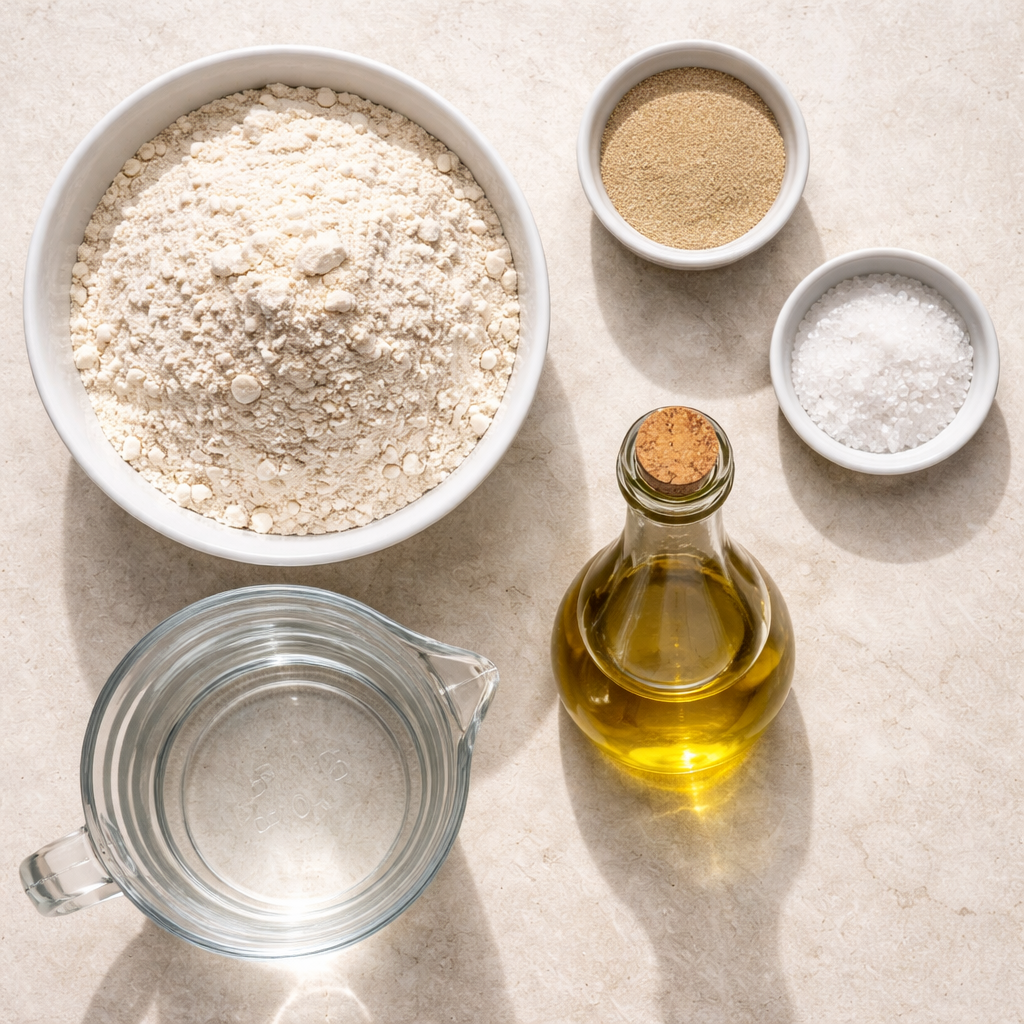
Stuff you actually need for this flour situation
- 50 grams All-Purpose Flour (Can be substituted with bread flour for sturdier structure.)
- 2 grams Instant Yeast (SAF brand recommended for reliability; can use active dry yeast.)
- 50 grams Water (Must be lukewarm for best sponge development.)
- 12 grams Salt (Use kosher or sea salt for best results.)
- 450 grams Bread Flour (Swap with gluten-free flour if desired.)
- 360 grams Additional Water (Must also be lukewarm.)
This is one of those recipes that looks boring ingredient-wise (it’s literally just flour, water, yeast, salt) but somehow becomes an extrovert in the oven. Also, bread flour is not optional for me anymore; all-purpose works but the chew you get with bread flour is like, legally addictive. If you’re on a budget, store brand is fine. Save the fancy money for good olive oil or, you know, chocolate for your “I survived baking day” reward, like a batch of these chaos-friendly homemade chocolate chip cookies.
How the dough actually becomes bread (somehow)
- Mix the 50 g flour, 2 g yeast, and 50 g lukewarm water into a thick paste; let it sit until puffed and bubbly on top.
- Stir in the 450 g bread flour, 12 g salt, and 360 g lukewarm water until a shaggy, wet dough forms.
- Let the dough rest, then perform several rounds of stretch-and-folds, resting between each, until it’s smoother and bouncier.
- Allow the dough to rise until doubled and full of visible bubbles.
- Gently turn it onto a well-floured surface, divide it into rough rectangles, and carefully transfer to a floured baking sheet.
- Let the pieces rise again, then bake in a very hot oven until deeply golden with a crisp, crackling crust and hollow sound when tapped.
Non-linear explanation: the dough will look wrong at multiple stages and you will think, “This can’t be right.” That’s normal. If it’s not a bit sticky, it’s probably too dry. Use wet hands instead of more flour. Also, don’t obsess over shaping—drag the sides in, flip it if you want, or don’t. CIABATTA DOESN’T CARE ABOUT YOUR PERFECTIONISM. Preheat your oven longer than you think. Talk to your dough. Threaten it lovingly.
Let’s talk about your kitchen chaos for a second
Are you also the person who starts a “quick bread” at 3 p.m. and suddenly it’s 7 and everyone is wandering the kitchen asking when dinner is? Because same. This is why we have snacks.
Tell me you’ve had this experience: you’re mid-bake, hands covered in dough, your phone timer goes off, someone texts you, the dog barks, and then the UPS guy decides THIS is the moment to ring the doorbell. So now you’re opening the door with your elbow, trying not to smear wet glue-dough all over the handle. Meanwhile the dough is like, “I’m proofing, babe, you’re on my time.”
And then there’s the flour. On your shirt, in your hair, somehow on the cat. Your kids walk in like, “Are we making pizza?” No. Just bread. Just vibes.
I like to think we’re all collectively lying when we say, “Oh, homemade bread is so relaxing.” Is it? Or are we all just a little bit addicted to the chaos followed by that single moment when you tear open a loaf and everyone goes quiet for three seconds?
If you’ve ever made that super simple garlic and olive oil pasta and thought, “Wow, I am a genius, this took 12 minutes,” this ciabatta is like her dramatic cousin. More work, more drama, more reward. You’ll be tired but in that cozy, “I did something today” way.
So yes, please tell me in the comments (mentally, right now) what your oven situation is. Gas? Electric? Mysterious? Because it absolutely matters and yet we all just sort of guess and hope for the best.
Questions you are absolutely going to have
I mean, technically no one is going to arrest you if you use cups, but this dough is high-hydration and fussy. Weighing gives you the same dough every time instead of “oh weird, why is it soup today?” If you own a scale, use it. If not, spoon-and-level and just know it might behave a little differently.
Probably not. Ciabatta dough is supposed to be sticky and loose; that’s how you get the big airy holes. Use wet hands, a bench scraper, and patience instead of extra flour. If it’s literally not holding any shape at all, you might have overshot the water a bit, but even then, it can still bake into something shockingly good.
Yes, but expect a slightly softer, less chewy texture and maybe a bit less dramatic hole structure. Still delicious, just a little more “everyday sandwich bread energy” than full-on bakery ciabatta. If you have even part bread flour, you can mix them.
Color and sound: you want a deep golden-brown crust, darker than you think, and when you tap the bottom it should sound hollow, not dull. If you’re a thermometer person, around 205–210°F in the center. Also, if your kitchen smells like a bakery and you’re wondering if it’s done, give it 3–5 more minutes.
Yes. Baked loaves freeze beautifully once cooled—wrap them tight, then re-crisp in a hot oven. The dough can be chilled overnight in the fridge to slow things down, but I wouldn’t freeze the raw dough; the structure is delicate and all that hard-earned air can get wrecked.
Some days this whole process feels like a metaphor for life and other days it’s just me, in socks, in front of the oven, wondering how I got flour on the ceiling and tearing off a too-hot piece anyway because I refuse to wait for it to cool like some kind of responsible adult…
Ciabatta Bread
An unyielding love letter to homemade ciabatta, this recipe creates a crunchy Italian delight with big airy holes and a rustic appearance, perfect for planning meals around.
Ingredients
Dough Preparation
- 50 grams All-Purpose Flour Can be substituted with bread flour for sturdier structure.
- 2 grams Instant Yeast SAF brand recommended for reliability; can use active dry yeast.
- 50 grams Water Must be lukewarm for best sponge development.
Dough Ingredients
- 450 grams Bread Flour Swap with gluten-free flour if desired.
- 12 grams Salt Use kosher or sea salt for best results.
- 360 grams Additional Water Must also be lukewarm.
Instructions
Dough Mixing
- Mix the 50 g flour, 2 g yeast, and 50 g lukewarm water into a thick paste; let it sit until puffed and bubbly on top.
- Stir in the 450 g bread flour, 12 g salt, and 360 g lukewarm water until a shaggy, wet dough forms.
Dough Resting
- Let the dough rest, then perform several rounds of stretch-and-folds, resting between each, until it’s smoother and bouncier.
First Rise
- Allow the dough to rise until doubled and full of visible bubbles.
Shaping
- Gently turn it onto a well-floured surface, divide it into rough rectangles, and carefully transfer to a floured baking sheet.
Second Rise & Baking
- Let the pieces rise again, then bake in a very hot oven until deeply golden with a crisp, crackling crust and hollow sound when tapped.
Notes
Preheat your oven longer than you think. Use wet hands instead of more flour if the dough is sticky. Don’t obsess over shaping; ciabatta does not require perfection.