👉 Let’s stay connected on social media!
Soft and Chewy German Snickerdoodles Recipe for Cozy Baking
QUICK REMINDER:
While we have provided a jump to recipe button, please note that if you scroll straight to the recipe card, you may miss helpful details about ingredients, step-by-step tips, answers to common questions and a lot more informations that can help your recipe turn out even better.
You can tell everything you need to know about a person by how they feel about snickerdoodles. Not chocolate chip cookies, not brownies—those are safe answers. But snickerdoodles? That’s personality. That’s childhood. That’s “my mom loved me but also forgot picture day.”
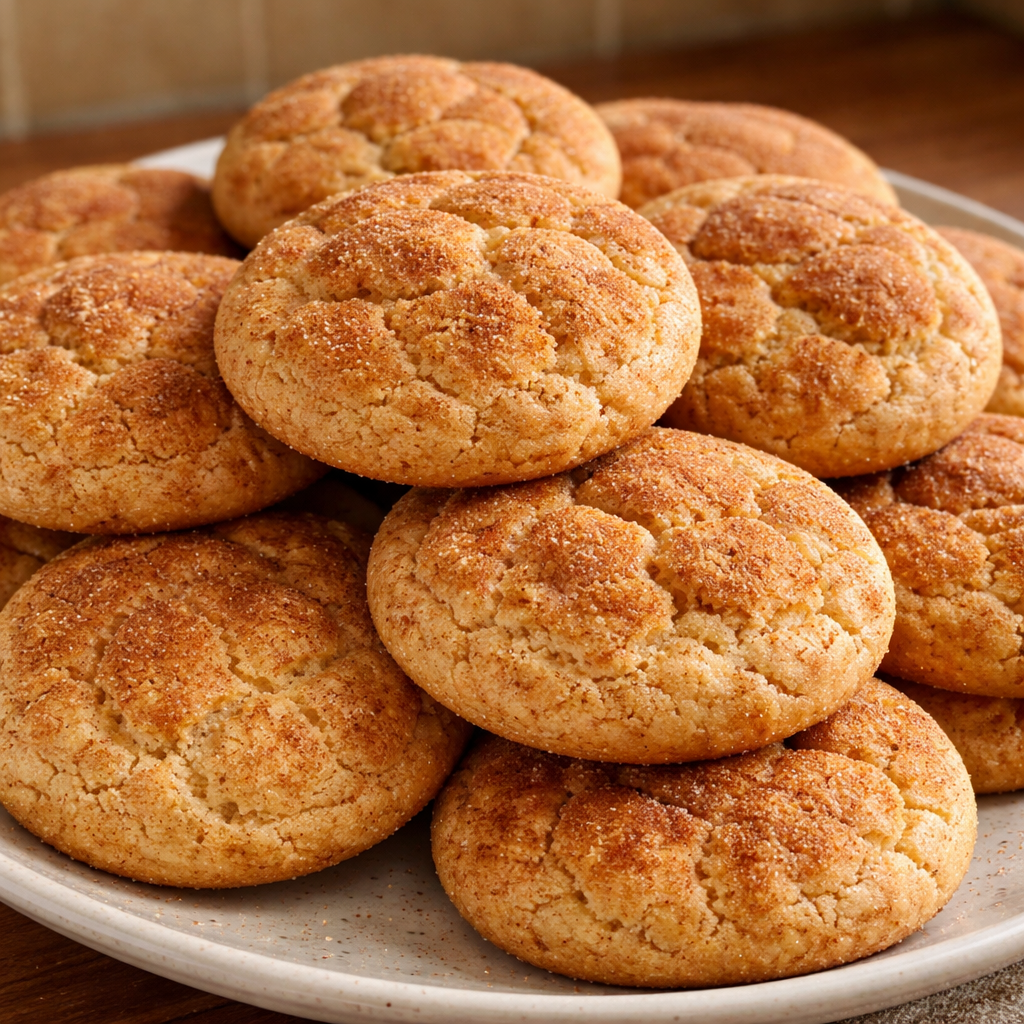
And these? These are my best German snickerdoodles, which is a very dramatic name for a cookie that looks like it would apologize for existing. They’re not actually dramatic though. They’re soft, cinnamon-sparkly, and they taste like if a Christmas market and your grandma’s kitchen had a tiny, buttery baby.
Also, we are in our “cozy baking is cheaper than therapy” era, collectively. We’re lighting candles, we’re doomscrolling, and we’re pretending that baking cookies at 9:47 p.m. on a Tuesday is self-care and not avoidance. Same. Fully same.
But if we’re going to avoid our problems, we might as well do it with a recipe that actually works. And yes, I say that as the person who once convinced herself that “flat, crunchy snickerdoodles are just a style.” They were not a style. They were a cry for help.
If you’re more of a chocolate person, I will generously allow you to have both identities and point you to my emotional support best homemade chocolate chip cookies later. For now: cinnamon is the main character.
The Time I Made German Snickerdoodles That Fell Flat
Let’s talk about the first time I tried to make these. I thought, “How hard can a sugar cookie be? It’s just butter and chaos.”
Incorrect.
The dough looked fine at first. It was giving wholesome, it was giving “printed on the back of a flour bag.” And then it hit the oven and immediately… melted. Not baked. Not puffed. Just… puddled. The whole kitchen smelled like burnt sugar and regret.
I remember the exact sound the baking sheet made when I pulled it out and all the “cookies” slid to one side like they were trying to escape. Just this sad metallic shhhhhh as they surrendered. One big cinnamon sheet. Which, okay, tasted kind of good? Like if a snickerdoodle and a cracker had a weird situationship.
The texture was horrific. Paper-thin, crispy on the edges, chewy in the middle in a way that made my teeth feel confused. My roommate at the time called them “cinnamon Pringles,” which was both unnecessarily accurate and emotionally devastating.
I tried again the next week. Overcorrected. More flour, less butter, “I’m going to show you structure.” They baked up into these tall, cakey domes that looked like muffin tops that had lost the rest of their muffins. If you flicked one with your finger, it made a little thud. Cookies should not thud.
The whole apartment smelled kind of dry. Does that make sense? Like the scent of “you didn’t use enough fat” and overachieving. They crumbled like sawdust with cinnamon. I ate two anyway, out of spite.
At one point I even blamed the cinnamon. I stood there, holding a jar of cinnamon like, “Maybe it’s you. Maybe you’re the problem.” I googled different types of cinnamon like I was about to write a thesis instead of just admitting I didn’t know how to cream butter correctly.
And then I did what all rational adults do when confronted with failure: I shoved the recipe in a drawer, made boxed brownies for six months, and pretended snickerdoodles were overrated and that I didn’t even like them that much (lie).
Why These Actually Behave Themselves Now
So. Why do these finally work? Besides the fact that I eventually developed the emotional stability to soften butter properly.
Two things changed: my technique and, embarrassingly, my expectations. I stopped trying to make the fanciest cookie of all time and just chased the memory of the ones from the little German bakery near my college. They weren’t flashy. They were just… right. A little crisp on the outside, chewy inside, big cinnamon energy without tasting like a candle. These best German snickerdoodles are my attempt to bottle that feeling.
Practically: less leavening than the chaos years, more control with the flour, and actually respecting the butter-sugar step. I used to just kind of mash them together until they were “mixed.” Now I let them get light and fluffy, like 90 seconds longer than feels necessary. That’s it. That little bit of air changed everything.
Emotionally: I stopped treating every batch like a referendum on my worth as a person. If a tray came out weird, I didn’t throw the whole recipe away, I just changed one thing. Chill the dough a bit? Smaller balls? Adjust the bake time by, like, two minutes? Tiny science experiments instead of full identity crises. Growth.
I also realized I don’t want those cakey dome cookies. I want cookies that sink a little in the middle, that wrinkle up and look cozy and imperfect. I want soft, chewy, cinnamon sugar planets, not polite little pucks.
Am I 100% confident this is The Perfect Version Forever? No. I will probably tweak the cinnamon ratio at 2 a.m. again someday because I can’t leave anything alone. But this is the only version I’ve made on repeat for over a year, and my family has stopped asking me to “bring the other cookies instead,” so that feels like a spiritual win.
What You Actually Need in the Kitchen
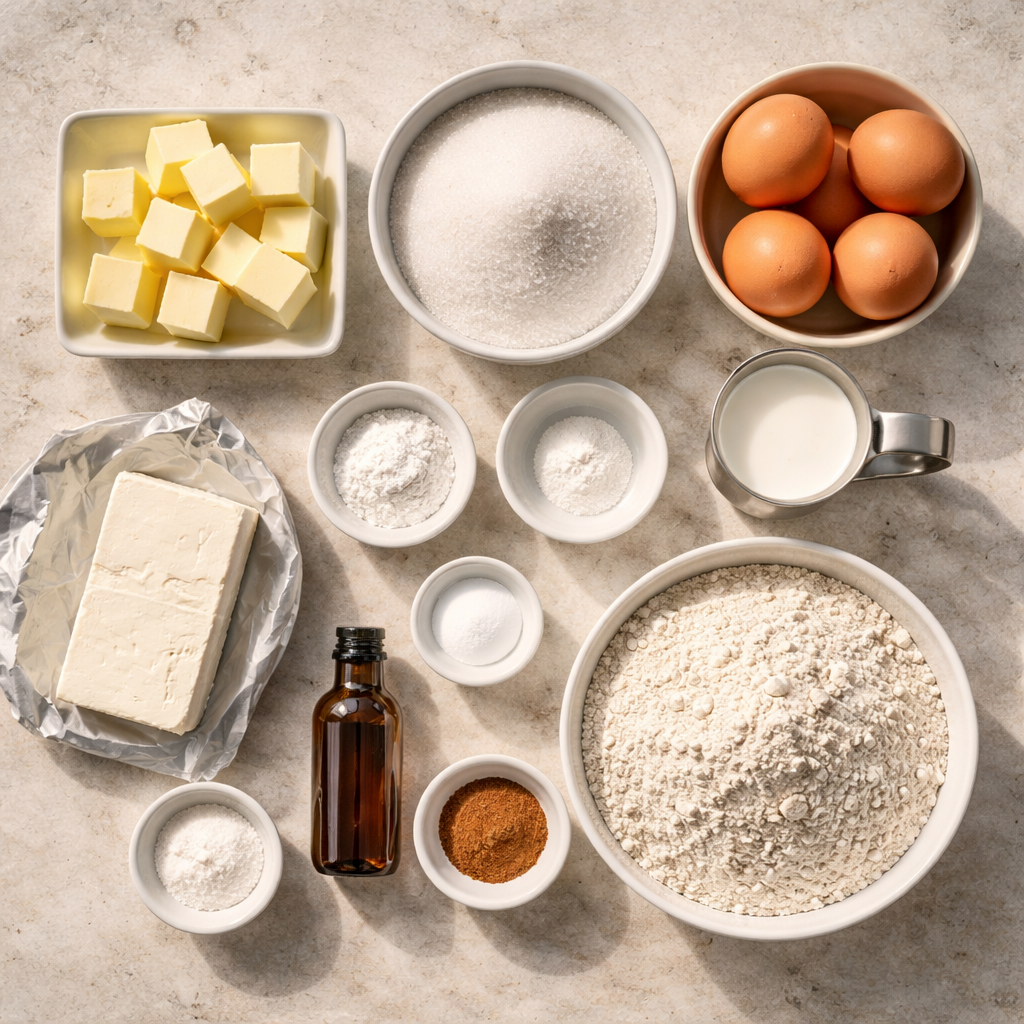
- 1 cup unsalted butter, softened
- 1 1/2 cups sugar
- 2 large eggs
- 2 3/4 cups all-purpose flour
- 1 teaspoon baking soda
- 1/2 teaspoon baking powder
- 1/2 teaspoon salt
- 3 tablespoons cinnamon sugar (1 tablespoon cinnamon with 2 tablespoons sugar)
If you’re on a budget, this is a deeply “pantry-core” cookie—no weird specialty flours, no fancy salts flown in from an island where everyone only whispers. Just regular stuff that turns into something dramatic. Texture-wise, the butter and sugar ratio is doing 90% of the emotional labor, so don’t mess with that unless you also enjoy living dangerously.
How They Come Together (With You Yelling at the Oven)
- Preheat your oven to 350°F (175°C).
- In a large bowl, cream together the butter and sugar until light and fluffy.
- Beat in the eggs, one at a time, mixing well after each addition.
- In another bowl, whisk together the flour, baking soda, baking powder, and salt. Gradually blend the dry ingredients into the wet mixture.
- In a small bowl, combine the cinnamon and sugar.
- Roll the dough into balls, then roll them in the cinnamon sugar mixture.
- Place the balls on a baking sheet lined with parchment paper, spacing them a few inches apart.
- Bake for 10-12 minutes or until the edges are lightly golden.
- Let cool on the baking sheet for a few minutes before transferring to a wire rack to cool completely.
Okay but here’s how I actually do it: I turn on the oven, then immediately forget I did that and start scrolling. DO NOT be me. Get the butter and sugar going while it preheats—let the mixer run longer than your patience, until it looks pale and fluffy like frosting that’s about to gossip.
When you add the dry ingredients, don’t overmix. The second the flour disappears, stop. Walk away. Stare out the window dramatically. Then come back and scoop the dough. If it’s super soft, shove the bowl in the fridge for like 15 minutes. Not a full chill situation, just a quick “pull yourself together” moment.
The cinnamon sugar coating is non-negotiable. Roll those little dough balls like you’re sending them off to a fancy event. If they look aggressively coated, that’s correct. They’ll crackle in the oven and you’ll get that classic snickerdoodle look instead of mysterious beige circles.
And when you think they might need “just two more minutes”? They don’t. Take them out when the edges are set but the centers look slightly underdone. They’ll finish on the sheet. If you wait until they look fully baked, you’re entering crunchy territory, and unless you’re here for nostalgic cafeteria vibes, just… don’t.

Let’s Talk About the Part Where Life Happens Mid-Recipe
Be honest: are you the person who forgets there’s a tray in the oven until you smell The Burning? Because same. Or at least… formerly same. (Mostly.)
Do you also start baking these thinking, “I’ll surprise everyone,” and then by the time they cool you’ve already eaten three, burnt your tongue once, and suddenly you’re aggressively territorial about them? “These are for dessert” you say, at 4 p.m., while eating another one over the sink.
I feel like snickerdoodles are a very “household chaos” cookie. Someone’s doing homework at the table. Someone else is asking if they can have one “just to see if they’re good yet.” You’re halfway through rolling dough balls and you realize you’re out of parchment paper and you’re like, “Is this the thing that finally breaks me today?”
Also, the number of times I’ve made these and then realized I promised brownies to someone else is… high. By the way, if you ever need to impress the “I only like classic stuff” person, pair these with those really dramatic chocolate chip cookies and just watch them spiral trying to pick a favorite.
Anyway. If your kitchen is loud, messy, and everyone has Opinions about the correct cinnamon level—you’re my people.
You Keep Asking, I Keep Answering
Yes, and honestly, it’s kind of better? Make the dough, cover it, and chill for up to 24 hours. The flavors get deeper, the dough behaves better, and Future You gets to feel smug that Past You did something nice. Just let it sit out for 10–15 minutes so it’s scoopable.
I mean, I want to say yes, but also: use what you have. If you use salted butter, just reduce the added salt a tiny bit. The cookie police will not kick down your door. The flavor might be a little more “salty-sweet bakery moment,” which honestly is not a bad thing.
Usually it’s butter too soft, not enough flour, or your oven running hotter than it claims (rude). Try chilling the dough for 20–30 minutes and making slightly smaller balls. Also, check that your baking soda and powder aren’t secretly 5 years old. Yes, I’m looking at your pantry.
Yup. You can freeze them baked or unbaked. For maximum control-freak energy, freeze the rolled, coated dough balls on a sheet, then toss them in a bag. Bake from frozen, just add a minute or two. Future emergencies: covered.
They’re sweet, but not “I need to lie down” sweet. The cinnamon helps balance it out so it doesn’t feel like straight sugar. And if you normally go for things like those pretty intense chocolate chip cookies
I don’t really know what it says about me that the most stable thing in my life some weeks is a batch of cookies that bake in under 12 minutes, but here we are. There’s something kind of grounding about rolling dough in cinnamon sugar while the rest of your brain is a browser with 47 tabs open.
Anyway, if you make these and they crack perfectly and stay soft in the middle, I hope you feel that tiny, ridiculous surge of pride when you bite into one and think, “Oh. Oh these are actually good.” And then you immediately eat another one before anyone else walks into the kitchen and—
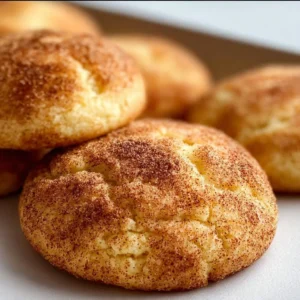
Best German Snickerdoodles
Soft, chewy, and cinnamon-sparkly, these German snickerdoodles capture the comforting essence of childhood baking and holiday treats.
Ingredients
Cookie Ingredients
- 1 cup unsalted butter, softened Ensure butter is at room temperature for best results.
- 1 1/2 cups sugar
- 2 large eggs
- 2 3/4 cups all-purpose flour Standard plain flour.
- 1 teaspoon baking soda
- 1/2 teaspoon baking powder
- 1/2 teaspoon salt Adjust if using salted butter.
Cinnamon Sugar Coating
- 3 tablespoons cinnamon sugar Mix 1 tablespoon of cinnamon with 2 tablespoons of sugar.
Instructions
Preparation
- Preheat your oven to 350°F (175°C).
- In a large bowl, cream together the butter and sugar until light and fluffy.
- Beat in the eggs, one at a time, mixing well after each addition.
- In another bowl, whisk together the flour, baking soda, baking powder, and salt.
- Gradually blend the dry ingredients into the wet mixture.
- In a small bowl, combine the cinnamon and sugar.
Baking
- Roll the dough into balls, then roll them in the cinnamon sugar mixture.
- Place the balls on a baking sheet lined with parchment paper, spacing them a few inches apart.
- Bake for 10-12 minutes or until the edges are lightly golden.
- Let cool on the baking sheet for a few minutes before transferring to a wire rack to cool completely.
Notes
For added flavor, chill the dough for 15-30 minutes before rolling. These cookies can be frozen baked or unbaked. Adjust baking time slightly if baking from frozen.