👉 Let’s stay connected on social media!
Irresistible Garlic Parmesan Focaccia Recipe for Soft, Flavorful Bread
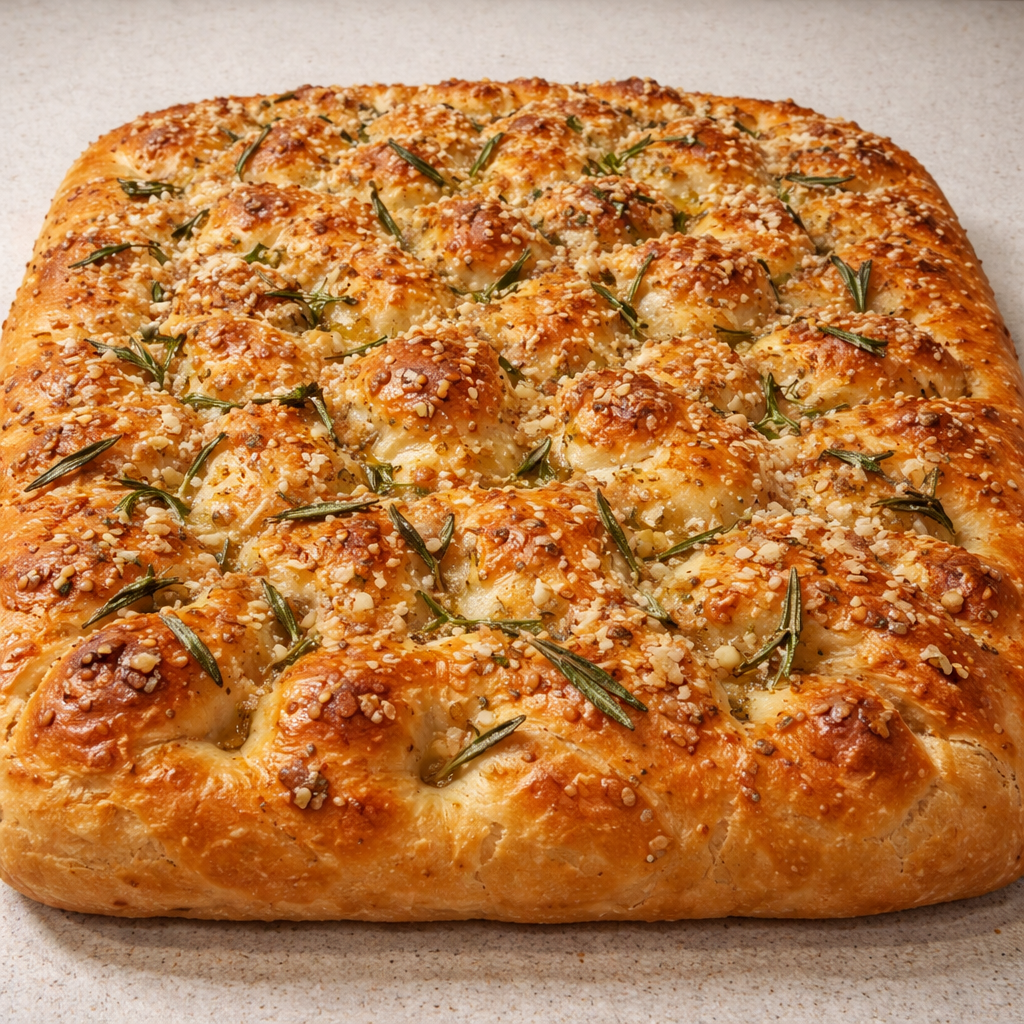
QUICK REMINDER:
While we have provided a jump to recipe button, please note that if you scroll straight to the recipe card, you may miss helpful details about ingredients, step-by-step tips, answers to common questions and a lot more informations that can help your recipe turn out even better.
Food is supposed to be dramatic. I will die on this hill. If a loaf of bread doesn’t make you feel something when you tear into it, what are we even doing with all this flour and all these feelings.
Also: we are living in the era of “girl dinner,” air fryers, and 47-second “no-knead” videos, and yet nobody is talking enough about a pan of hot, salty, garlic-soaked focaccia that you can basically eat with your hands over the sink. Which, yes, is how I recommend meeting this bread for the first time.
Hi, I’m Courtney, and I firmly believe carbs are a love language. If you’ve ever rage-baked banana bread brownies at 11 p.m., we’re already friends. This garlic parmesan focaccia bread is my new way of coping with… everything.
The Very Ugly Garlic Parmesan Focaccia Era We Don’t Talk About Her
So. Confession: I was bad at focaccia for an embarrassingly long time.
Like, the first time I tried, the dough looked fine in the bowl, and then I baked it and it came out as a pale, rubbery mattress topper. It squeaked when I cut into it. Bread should never squeak. It smelled like slightly warm flour and disappointment. My roommate at the time politely said, “It’s… chewy?” which is Midwestern for “what happened here.”
Second attempt, I under-proofed it because I was “in a hurry” (for what, Courtney, Netflix??) and the yeast clearly filed for divorce halfway through. It baked up dense and oddly shiny on top, like those fake display breads in grocery store windows. The only sound it made when I tapped it was my own soul leaving my body.
Third time, I got cocky and doubled the garlic. I love garlic. I want to smell like garlic forever. But I scorched it. The entire apartment smelled like burnt vampire repellent, and the top of the bread looked like I’d sprinkled it with coffee grounds and despair. The garlic went bitter, the top went weirdly dry, and the inside was just… there. Emotionally unavailable.
Somewhere in there, I also used water that was way too hot and murdered the yeast. That dough never rose. At all. It just sat there, a wet, sticky crime scene, while I stared at it and questioned all my life choices, including but not limited to owning three types of flour and zero financial literacy.
And I wish I could tell you there was a neat turning point where I learned my lesson and everything was fixed, but honestly? I just kept making weird bread that my family pretended to like. My sister still brings up the “focaccia incident” whenever I get smug about anything. She’s wrong, but she’s also right.
Why This Version Doesn’t Suck (Anymore)
Here’s what finally shifted: I stopped trying to make “perfect focaccia” and started trying to make “bread I actually want to rip apart and eat with my fingers while standing at the stove.” There’s a difference.
Emotionally, I let go of the whole “artisan bakery” fantasy. I am not an Italian grandmother. I am a woman in sweatpants who once ate cold chocolate espresso banana bread over the sink at 8 a.m. We bake from this energy, not from fantasy energy.
Practically, a few very boring but magical tweaks made this garlic parmesan focaccia bread finally work:
- Warm water that’s actually warm, not “boiling because you got distracted and then tried to cool it in a panic.” 110–115°F. Barely hot. Very boring. Yeast loves boring.
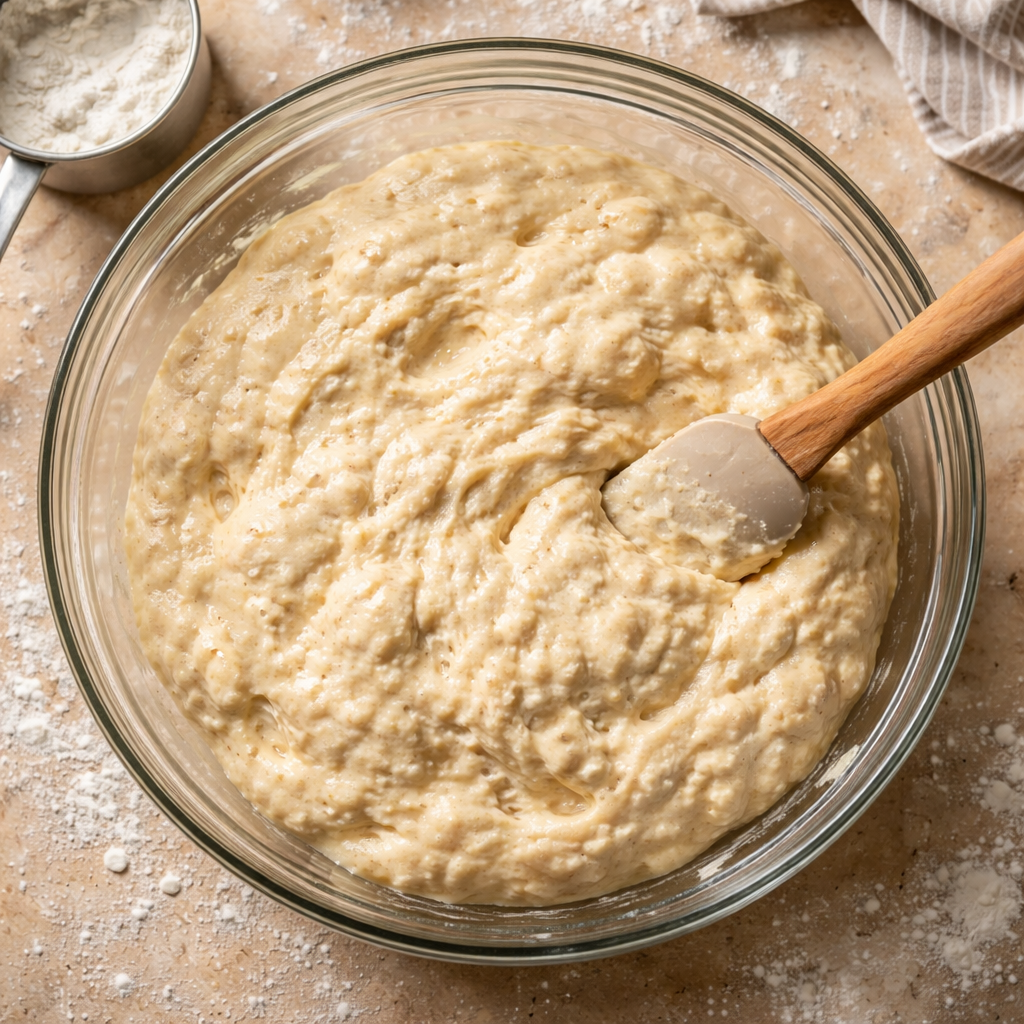
- Letting the dough be soft and slightly sticky instead of trying to force it into a neat little ball like some sort of dough-bureaucrat. Focaccia likes chaos. It wants to slouch.
- Garlic brushed on with butter right before baking instead of mixed in too early, so it cooks gently and goes fragrant instead of burnt and tragic.
- Parmesan on top, not inside, so it crisps into these golden, salty patches that make you question whether you actually need dinner or if this is dinner now. (It’s dinner now.)
Also, I finally understood that dimpling the dough isn’t just for looks; it’s so the fat and flavor have somewhere to pool. Tiny garlic-butter hot tubs. Say less.
Do I trust this recipe 100%? No. I do not trust anything 100%. But this is the version I make on autopilot now. It’s the one I bring to friends who just moved, to parents who are “not hungry” and then eat half the pan, to myself when the day goes sideways and I need something to pull apart and inhale like a raccoon in a bakery dumpster.
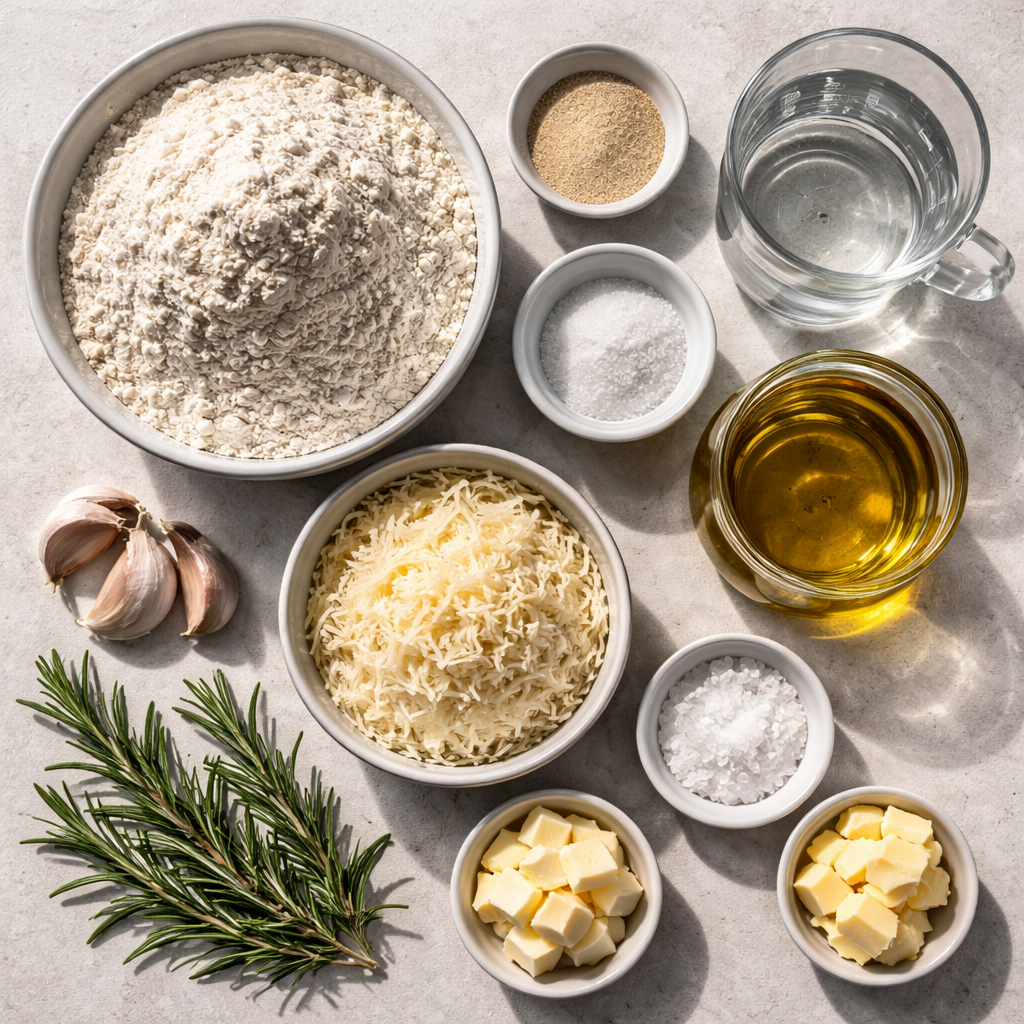
What You’ll Need Before You Forget the Yeast on the Counter
- 2 cups all-purpose flour
- 1 cup warm water (110–115°F)
- 1 tablespoon sugar
- 1 packet instant yeast (2 1/4 teaspoons)
- 1 teaspoon salt
- 2 tablespoons olive oil
- 4 cloves garlic, minced
- 1/2 cup shredded Parmesan cheese
- 1 tablespoon butter, melted
- 1 tablespoon fresh herbs (e.g., rosemary or thyme), optional
If you’re staring at this like, “I have half of that and vibes,” honestly that’s enough. Use the cheap olive oil, skip the herbs if your grocery store has betrayed you again, and yes, pre-shredded Parmesan will work even though some food people act like that’s a crime. We are building flavor and rent is expensive; perfection is a scam. The flour matters more than the brand, the yeast matters more than the bowl, and the texture you’re going for is soft, slightly sticky dough that looks like it needs a nap.
How It Actually Comes Together (With Interruptions)
- In a large bowl, combine warm water, sugar, and yeast. Let sit for about 5 minutes until bubbly and foamy.
- Add flour, salt, and olive oil to the activated yeast mixture. Stir until a soft dough forms.
- Cover the bowl with a clean kitchen towel. Let the dough rise in a warm place for about 1 hour until doubled in size.
- Preheat the oven to 425°F (220°C).
- Transfer the dough to a greased baking sheet, gently pressing it out to fit the pan about 1/2 inch thick.
- Create dimples all over the dough with your fingers.
- Mix melted butter with minced garlic and brush it evenly over the dough.
- Sprinkle Parmesan cheese and fresh herbs over the top.
- Bake for 20–25 minutes until golden brown.
- Remove from the oven and allow to cool slightly before slicing.
Okay but real talk: that first step where you’re waiting for the yeast to foam? That’s the “are we doing this or not” moment. If it doesn’t look at least a little bubbly after 5–10 minutes, the yeast is dead, and I’m sorry, you’re starting over. (Or you’re stubborn and you bake it anyway and get a sad little brick. Ask me how I know.)
When you press the dough into the pan, don’t overthink it. It’s going to spring back a little; that’s fine. You’re not laying tile, you’re bullying carbohydrates into a rectangle. Grease your fingers if it’s sticking. Also, when you’re making the dimples, go deeper than feels polite. This is not a light tap. This is “poke your problems into the dough” energy.
Garlic-butter + Parmesan goes on right before the oven, and if some pools in the corners of the pan, congrats: you’ve unlocked the best pieces. Let it cool just enough so you don’t scorch your mouth, but honestly, a little roof-of-mouth damage is traditional.
Let’s Talk About The Chaos in Your Kitchen Right Now
Are you also making this while answering texts, half-watching a show, and trying to remember if you switched the laundry? Same. Bread likes background chaos; it thrives on it.
Are you worried your dough isn’t rising enough? Staring at it every 3 minutes does not help, but I also do this, so no judgment. Put it in the oven with the light on (oven OFF, we are not baking it yet, we are just giving it a cozy studio apartment), and walk away. Or pretend to. Or scroll.
Do you have children/pets/roommates who will stick their fingers in the dough the second you turn your back? This is why we dimple. Just rebrand their sabotage as “helping.” Also, if someone walks through the kitchen and says, “Oh, that smells amazing,” you’re legally allowed to make them do dishes in return.
I know some of you will absolutely turn this into a full meal: a bowl of soup, this bread, maybe a fast salad if you’re feeling like a responsible adult. Others will just stand at the stove ripping off pieces and dunking them into jarred sauce or olive oil or straight-up nothing, because honestly it doesn’t need anything. Both are correct.
Also yes, if you’re already a garlic freak, you should also be making stuff like creamy garlic mushroom stuffed shells, but that’s a different carb monologue.
Questions You’re Probably Typing Into a Search Bar
Yes, absolutely. Active dry just wants a little more time to wake up. Stir it into the warm water and sugar, let it sit until it gets foamy (maybe closer to 10 minutes), and then proceed exactly the same. If it never foams, toss it. Yeast that refuses to rise does not deserve a place in your emotional support bread.
Then you don’t have fresh herbs. It’s fine. You can sprinkle on a pinch of dried rosemary or Italian seasoning, or nothing at all. The garlic and Parmesan are already doing heavy emotional labor. This bread is still very good naked. (Context: the bread, not you. Although, live your truth.)
Yes. You can let it rise once, gently deflate it, cover the bowl, and pop it in the fridge for up to 24 hours. The flavor actually gets better because the yeast is in there doing slow, dramatic things. When you’re ready to bake, bring it back to room temp, press it into the pan, let it puff up a bit, then proceed. Does this require planning? Yes. Will you feel smug and accomplished? Also yes.
Probably one of three things: the water was too hot and murdered the yeast, the dough didn’t rise long enough, or you added a lot more flour trying to make it “less sticky.” Focaccia dough should be softer and looser than you think. If it’s tidy and tough, it’ll bake up like a thick cracker. Yell at it less, trust it more.
Yes, if you’re the kind of person who has leftovers, which is fascinating to me. Let the bread cool completely, slice it, wrap it well, and freeze. Reheat in the oven or toaster oven until warm and crisp again. The microwave will make it soft, which is fine in a “I’m eating this in sweatpants” way, but the oven brings back the edges.
I always think I’m making this for “later,” like oh, this will be great with dinner, and then somehow a corner disappears, and then another, and suddenly there’s half a pan left and I’m like, well, now it’s weird not to just finish it, right?
Anyway, if you end up standing at your counter with a still-warm piece in one hand and butter knife in the other, trying to decide whether this counts as a meal or a moment, just know that’s kind of the whole point of it.

Garlic Parmesan Focaccia Bread
A soft, garlic-flavored focaccia topped with melted parmesan, perfect for tearing apart and enjoying.
Ingredients
Dough Ingredients
- 2 cups all-purpose flour
- 1 cup warm water (110–115°F) Should be warm, not boiling.
- 1 tablespoon sugar
- 1 packet instant yeast (2 1/4 teaspoons)
- 1 teaspoon salt
- 2 tablespoons olive oil Cheaper olive oil is acceptable.
Topping Ingredients
- 4 cloves garlic, minced Brushed on before baking.
- 1/2 cup shredded Parmesan cheese Sprinkled on top.
- 1 tablespoon butter, melted Mixed with garlic for brushing.
- 1 tablespoon fresh herbs (e.g., rosemary or thyme), optional Substitute with dried herbs if needed.
Instructions
Preparation
- In a large bowl, combine warm water, sugar, and yeast. Let sit for about 5 minutes until bubbly and foamy.
- Add flour, salt, and olive oil to the activated yeast mixture. Stir until a soft dough forms.
- Cover the bowl with a clean kitchen towel. Let the dough rise in a warm place for about 1 hour until doubled in size.
- Preheat the oven to 425°F (220°C).
- Transfer the dough to a greased baking sheet, gently pressing it out to fit the pan about 1/2 inch thick.
- Create dimples all over the dough with your fingers.
Baking
- Mix melted butter with minced garlic and brush it evenly over the dough.
- Sprinkle Parmesan cheese and fresh herbs over the top.
- Bake for 20–25 minutes until golden brown.
- Remove from the oven and allow to cool slightly before slicing.
Notes
Let it cool just enough to avoid burns before serving. Can be served with soup, or simply enjoyed by tearing off pieces.